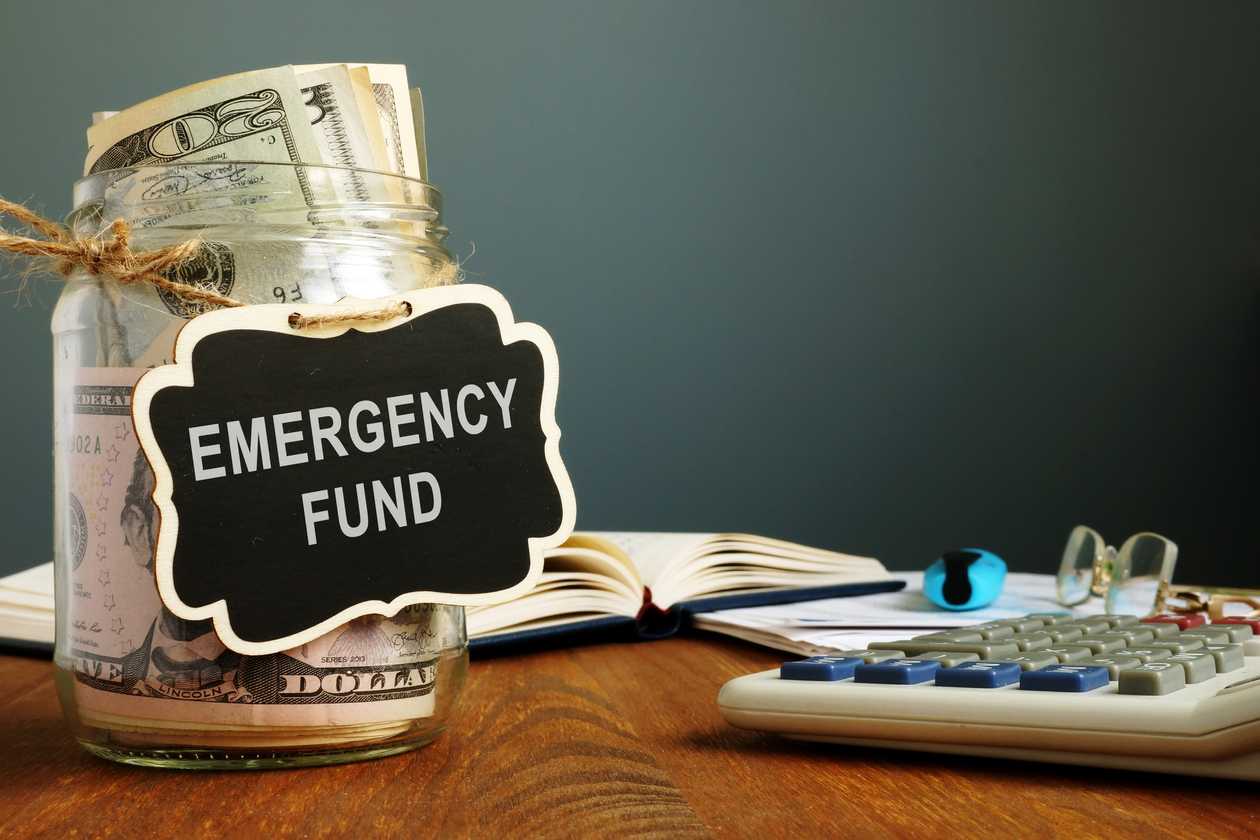
What is an Emergency Fund?
An Emergency Fund is a cash reserve kept aside to handle unexpected situations. It acts as a financial cushion to protect you from sudden problems in life.
Simply put: Emergencies can occur at any time. An emergency fund is the money you keep on hand, independent of anyone else, to manage all essential expenses during such situations.
When Can You Use Your Emergency Fund?
Genuine Emergencies:
- Job loss: Sudden unemployment
- Medical emergency: Initial payments for surgery or hospitalization (for other medical expenses, health insurance is recommended)
- Vehicle breakdown: Urgent repair costs for car/bike
- Home repairs: Urgent repairs like roof leaks or electrical issues
- Family emergency: Immediate financial assistance needed for a family member
Non-Emergencies (Do not use the fund for these):
- Marriage or event expenses
- Vacation or travel plans
- Shopping (festivals or non-essential items)
- Investment opportunities
- Down payment for a house or car
How Much Should You Keep in an Emergency Fund?
Standard Recommendation: 6 to 12 months of monthly expenses.
Adjust Based on Job Security:
- High job security:
- Government employees
- Senior positions in established companies
- 6 months of expenses is sufficient
- Government employees
- Senior positions in established companies
- 6 months of expenses is sufficient
- Government employees
- Senior positions in established companies
- 6 months of expenses is sufficient
- Low job security:
- Private sector freshers
- Business owners
- Commission-based jobs
- 9 to 12 months of expenses
- Private sector freshers
- Business owners
- Commission-based jobs
- 9 to 12 months of expenses
Practical Example:
Monthly Expenses for Mr. Kumar:
- Rent: ₹15,000
- Food: ₹8,000
- Utilities (electricity, gas, internet): ₹3,000
- Transportation: ₹4,000
- Insurance premiums: ₹2,000
- Miscellaneous: ₹3,000
- Total: ₹35,000
Emergency Fund Target:
- Conservative: ₹35,000 × 12 = ₹4,20,000
- Moderate: ₹35,000 × 9 = ₹3,15,000
- Aggressive: ₹35,000 × 6 = ₹2,10,000
Where to Keep Your Emergency Fund
Criteria:
- Immediate liquidity – accessible instantly
- Capital protection – no risk of principal loss
- Easy access – available via ATM or net banking
Best Options:
- Savings Account (70% allocation)
- Pros: Instant access, ATM/UPI facility, no lock-in, insured up to ₹5 lakh
- Cons: Low returns (3–4%), may not beat inflation
- Pros: Instant access, ATM/UPI facility, no lock-in, insured up to ₹5 lakh
- Cons: Low returns (3–4%), may not beat inflation
- Liquid Mutual Funds (30% allocation)
- Pros: Higher returns (6–7%), T+1 redemption, no TDS, professionally managed
- How to invest: Use apps like Groww, Zerodha Coin, or Paytm Money; choose direct plans
- Pros: Higher returns (6–7%), T+1 redemption, no TDS, professionally managed
- How to invest: Use apps like Groww, Zerodha Coin, or Paytm Money; choose direct plans
- Sweep-in Fixed Deposits
- How it works: Excess savings in your account automatically convert to FD, instantly breakable during emergencies, earns FD interest
- How it works: Excess savings in your account automatically convert to FD, instantly breakable during emergencies, earns FD interest
Avoid Keeping Emergency Funds In:
- Equity mutual funds – high market risk
- Fixed deposits with penalties – reduces liquidity
- Real estate – time-consuming to sell
- Gold – price fluctuations, selling difficulty
- Cryptocurrency – extreme volatility
- ELSS funds – 3-year lock-in
- PPF – long-term lock-in
How to Build an Emergency Fund – Step by Step
Step 1: Calculate Monthly Expenses
- Track expenses for 3 months
- Take an average and add a 10% buffer
Step 2: Set Target Amount
- Consider job security and family situation
- Choose a target covering 6–12 months of expenses
Step 3: Monthly Savings Plan
- Target: ₹3,00,000
- Aggressive (12 months): Save ₹25,000/month – suitable for high-income earners
- Moderate (18 months): Save ₹16,700/month – reasonable for middle class
- Conservative (24 months): Save ₹12,500/month – comfortable for beginners
Step 4: Automate the Process
- Set up auto-transfer from salary account to a separate emergency fund account
- Keep the emergency fund separate to avoid temptation
Emergency Fund vs Other Financial Goals – Priority
Priority Order:
- Clear high-interest debt (credit card, personal loan – 15%+ interest)
- Basic emergency fund (₹50,000–1 lakh)
- Insurance (term life + health)
- Complete emergency fund
- Other investments (SIP, retirement planning)
Why Emergency Fund First?
- Other investments carry risk
- Breaking investments during emergencies can lead to losses
- Provides peace of mind
- Helps develop financial discipline
Common Mistakes to Avoid
- “I won’t face an emergency” mindset – Reality: emergencies happen unexpectedly
- Using emergency fund as an investment – Keep it liquid and safe
- Keeping too small an amount – Fund must cover at least 6–12 months of expenses
- Lack of easy access – Avoid FDs with penalties or accounts without joint access
Tax Implications
Savings Account Interest:
- ₹10,000 tax-free (under section 80TTA)
- Senior citizens: ₹50,000 tax-free
Liquid Funds:
- Held >3 years: 20% tax with indexation
- Held <3 years: taxed according to income slab
- Generally keep emergency fund in short-term, liquid investments
Real-Life Example – Priya’s Experience
- Background: Software engineer, salary ₹80,000, monthly expenses ₹45,000
- Emergency fund: ₹4,00,000 (9 months expenses)
During COVID-19 layoffs:
- 4 months unemployed
- Emergency fund covered 4 months without panic
- Could wait for a better job and eventually got a 20% salary hike
Without emergency fund:
- Immediate panic, accept any low-paying job
- Borrow from family/friends
- Break long-term investments at a loss
Emergency Fund Review & Maintenance
- Annual review: Adjust for increased expenses, family changes, or lifestyle inflation
- After using fund: Rebuild immediately, prioritize replenishment before other investments
Quick Action Points
This Week:
- Calculate average monthly expenses (last 3 months)
- Open a separate savings account for the emergency fund
- Set a target amount (6–12 months of expenses)
- Plan monthly contributions
This Month:
- Research liquid mutual funds and choose one
- Decide allocation (70% savings + 30% liquid fund)
- Set up auto-transfer from salary account
Bottom Line
Emergency Fund = First Step to Financial Freedom
- Provides peace of mind
- Protects other investments
- Prevents debt traps
- Builds financial confidence
Remember: An emergency fund is not a high-return investment—it is the foundation of financial security.